Digestive health plays a major role in your overall well being. When symptoms such as persistent acidity, stomach pain, bloating, difficulty swallowing, nausea, vomiting, unexplained weight loss, or gastrointestinal bleeding continue for a long time, doctors may recommend an endoscopy to identify the underlying cause. Endoscopy is a safe and commonly performed procedure that helps specialists examine the digestive tract with accuracy and clarity.
Understanding what an endoscopy is, how the procedure is performed, and what to expect during recovery can help patients feel more comfortable and confident before undergoing the test.
What is an Endoscopy?
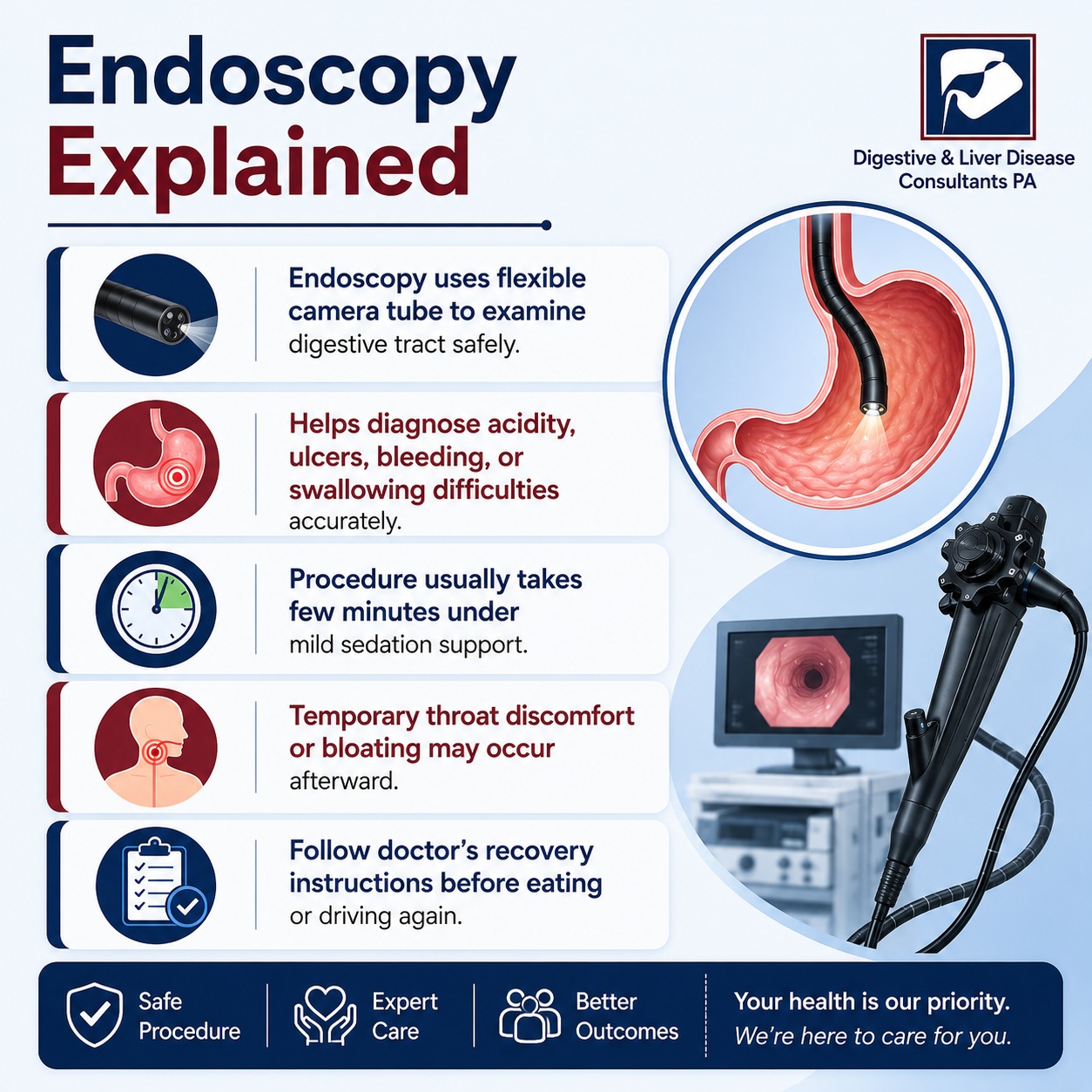
An endoscopy is a medical procedure used to examine the inside of the digestive tract using a thin, flexible tube called an endoscope. The endoscope has a tiny camera and light attached to its tip, allowing doctors to view detailed images of the digestive organs on a monitor in real time.
The procedure helps diagnose and sometimes treat several digestive conditions affecting the esophagus, stomach, and upper part of the small intestine.
One of the most commonly performed procedures is the upper GI endoscopy, also known as esophagogastroduodenoscopy or EGD. This test focuses on evaluating the upper digestive system.
Why is an Endoscopy Performed?
Doctors may recommend an endoscopy for several reasons, including:
Common Symptoms Requiring Endoscopy
- Persistent acidity or heartburn
- Difficulty swallowing
- Chronic stomach pain
- Nausea or vomiting
- Unexplained weight loss
- Bleeding in the digestive tract
- Black or tarry stools
- Persistent bloating
- Suspected ulcers
- Chronic indigestion
Conditions Diagnosed Through Endoscopy
- Gastritis
- Peptic ulcers
- Gastroesophageal reflux disease (GERD)
- Esophageal inflammation
- Barrett’s esophagus
- Celiac disease
- Polyps or abnormal growths
- Stomach infections
- Early signs of gastrointestinal cancers
In many cases, endoscopy also allows doctors to collect tissue samples for biopsy, remove small polyps, or stop internal bleeding during the same procedure.
What Happens During an Endoscopy Procedure?
The endoscopy procedure is generally simple, safe, and completed within a short time. Most patients can return home on the same day.
Before the Procedure
Your doctor will provide instructions regarding endoscopy preparation. Proper preparation ensures clear visibility inside the digestive tract and improves diagnostic accuracy.
Endoscopy Preparation Tips
- Avoid eating or drinking for at least 6 to 8 hours before the procedure
- Inform your doctor about current medications
- Share your medical history, allergies, or existing health conditions
- Arrange for someone to accompany you home if sedation is used
- Follow all dietary restrictions advised by your doctor
During the Procedure
During the upper GI endoscopy, the patient is usually given mild sedation to ensure comfort and relaxation.
The doctor gently inserts the endoscope through the mouth and guides it into the esophagus, stomach, and upper small intestine. The camera transmits high quality images to a monitor, allowing the specialist to carefully examine the digestive tract.
The procedure usually takes around 15 to 30 minutes.
What Doctors Can Do During Endoscopy
- Examine digestive organs closely
- Detect inflammation or ulcers
- Take biopsy samples
- Remove small growths or polyps
- Treat certain bleeding conditions
- Identify blockages or narrowing
Most patients experience little to no pain during the procedure.
Is Endoscopy Painful?
Many patients worry about discomfort before undergoing an endoscopy. However, the procedure is generally well tolerated because sedation helps patients remain relaxed.
Some people may feel mild throat irritation, bloating, or temporary discomfort after the procedure, but these symptoms usually improve quickly.
Endoscopy Recovery
Endoscopy recovery is usually smooth and uncomplicated for most patients. Since sedation may be used, patients are monitored for a short period before being discharged.
What to Expect After the Procedure
- Mild sore throat
- Temporary bloating or gas
- Drowsiness from sedation
- Mild stomach discomfort
These symptoms generally resolve within a few hours.
Endoscopy Recovery Time
The average endoscopy recovery time is short. Most patients can resume normal activities within 24 hours. However, recovery may vary depending on the individual and whether additional procedures such as biopsies were performed.
Recovery Tips After Endoscopy
- Rest for the remainder of the day
- Drink plenty of fluids
- Start with light meals
- Avoid alcohol for 24 hours
- Follow medication instructions carefully
- Avoid driving immediately after sedation
Your doctor will explain when you can return to regular activities and discuss any findings from the procedure.
Benefits of Endoscopy
Endoscopy offers several advantages in diagnosing digestive disorders early and accurately.
Key Benefits
- Minimally invasive procedure
- Quick recovery
- Accurate diagnosis
- Early detection of digestive diseases
- Helps avoid unnecessary surgery
- Allows biopsy collection
- Can treat certain conditions during the procedure itself
Early diagnosis through endoscopy can significantly improve treatment outcomes for many gastrointestinal conditions.
Risks of Endoscopy
Endoscopy is considered very safe when performed by experienced specialists. Complications are rare but may include:
- Mild bleeding
- Infection
- Reaction to sedation
- Perforation in rare cases
Your gastroenterologist will discuss potential risks and safety precautions before the procedure.
When Should You Consult a Gastroenterologist?
You should seek medical attention if you experience:
- Frequent acidity or heartburn
- Difficulty swallowing
- Persistent abdominal pain
- Blood in stools or vomit
- Unexplained weight loss
- Ongoing digestive discomfort
- Chronic bloating or nausea
Early evaluation helps identify digestive disorders before they become serious.
Why Choose Digestive & Liver Disease Consultants, P.A.?
Choosing the right gastroenterology center is important for accurate diagnosis, advanced treatment, and compassionate care. Digestive & Liver Disease Consultants, P.A. is committed to providing comprehensive digestive healthcare using advanced diagnostic technology and patient focused treatment approaches.
Reasons to Choose Digestive & Liver Disease Consultants, P.A.
- Experienced gastroenterology specialists
- Advanced endoscopy and diagnostic procedures
- Personalized patient care
- Modern facilities and technology
- Focus on digestive and liver health
- Comprehensive evaluation and treatment plans
- Compassionate and professional medical team
The specialists at Digestive & Liver Disease Consultants, P.A., are dedicated to helping patients achieve better digestive health through accurate diagnosis, early intervention, and effective treatment solutions.
Tips to Maintain Digestive Health
Maintaining a healthy digestive system can reduce the risk of gastrointestinal disorders.
- Healthy Digestive Habits
- Eat a balanced diet rich in fiber
- Stay hydrated
- Exercise regularly
- Avoid smoking and excessive alcohol
- Limit processed foods
- Manage stress effectively
- Get regular health checkups
Healthy lifestyle choices can improve digestion and overall wellness.
Conclusion
An endoscopy is a valuable diagnostic procedure that helps doctors evaluate and treat various digestive disorders with precision and safety. Whether you are experiencing chronic acidity, stomach pain, difficulty swallowing, or other gastrointestinal symptoms, early diagnosis through endoscopy can help prevent complications and improve long term health outcomes.
Understanding the endoscopy procedure, preparation steps, and recovery process can ease anxiety and help patients feel more prepared before undergoing the test. With modern technology and experienced specialists, endoscopy has become a safe, effective, and minimally invasive tool for digestive healthcare.
If you are experiencing ongoing digestive symptoms, consult the experts at Digestive & Liver Disease Consultants, P.A. for comprehensive evaluation and personalized treatment.