Understanding Small Intestinal Bacterial Overgrowth (SIBO): Symptoms, Causes, and Treatment
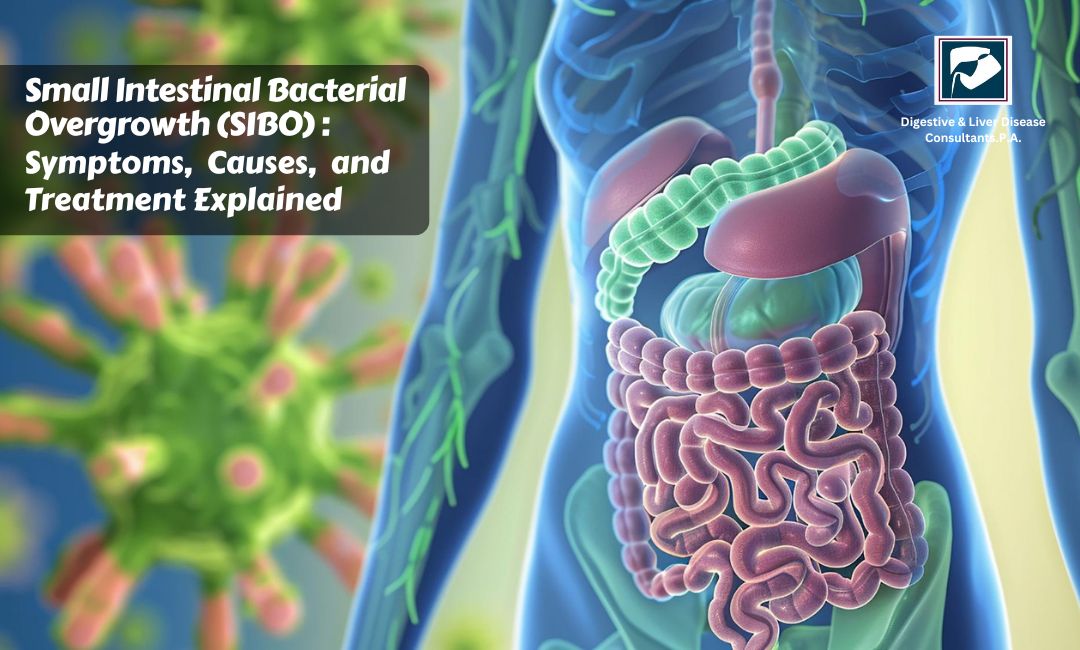
Maintaining a healthy gut is a delicate balancing act. While your large intestine is meant to be a bustling metropolis of trillions of bacteria, your small intestine should remain relatively quiet. When bacteria from the large intestine migrate upward or fail to clear out effectively, a condition known as Small Intestinal Bacterial Overgrowth (SIBO) occurs.
At Digestive & Liver Disease Consultants, P.A., we specialize in identifying the root causes of chronic GI distress. If you find yourself struggling with persistent bloating or unpredictable bowel habits, understanding SIBO is the first step toward reclaiming your digestive health.
What Exactly is SIBO?
The small intestine plays a vital role in digesting food and absorbing nutrients into the bloodstream. To perform this job efficiently, it requires a specific environment with a relatively low bacterial count. In a healthy system, the "migrating motor complex" (MMC) acts as an internal broom, sweeping undigested food and bacteria toward the colon.
When this sweeping mechanism fails or anatomical changes occur, bacteria multiply in the small intestine. These bacteria ferment carbohydrates prematurely, producing gases like hydrogen and methane. This process leads to the hallmark symptoms of gut bacteria imbalance.
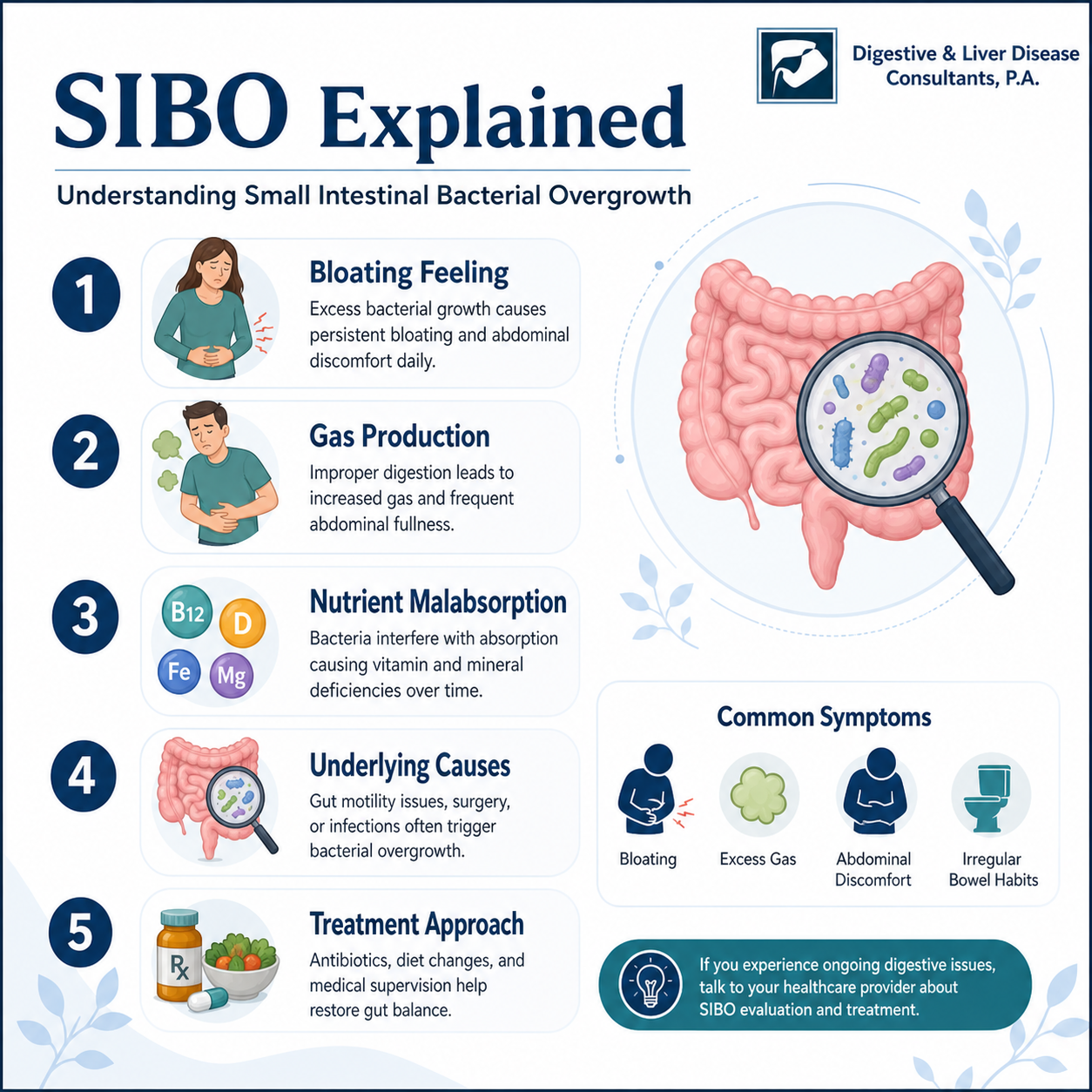
Recognizable SIBO Symptoms
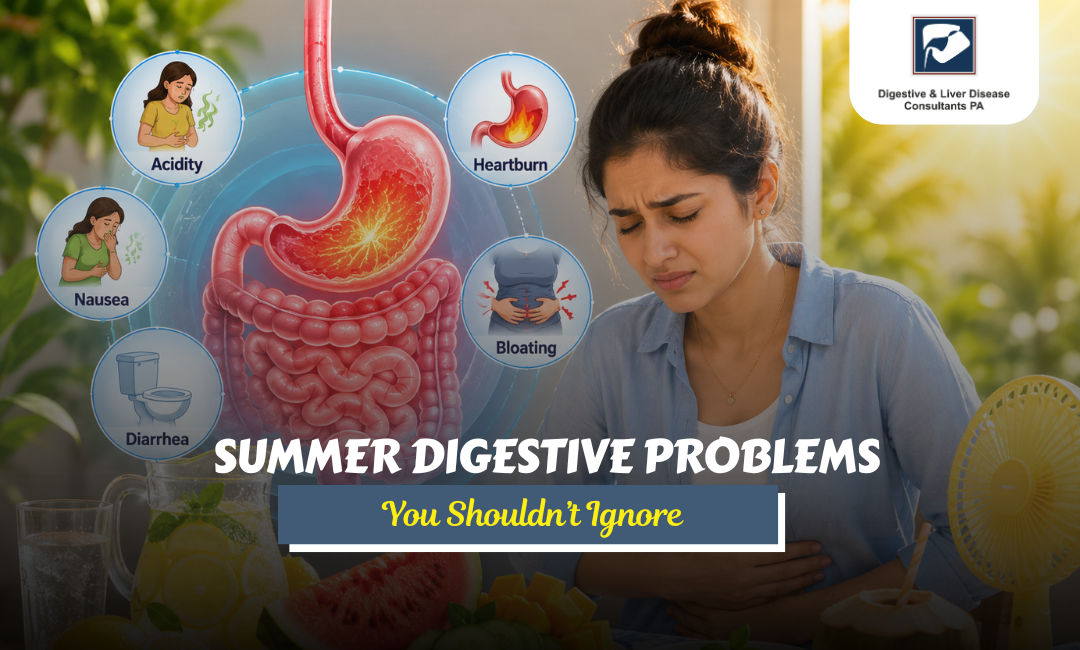
SIBO is often a "chameleon" condition because its symptoms mimic other digestive disorders. Many patients initially come to us believing they have simple indigestion, only to find that small intestinal bacterial overgrowth is the culprit.
Key symptoms include:
- Bloating after eating SIBO: This is often the most reported symptom, where the abdomen feels painfully distended shortly after a meal.
- Excessive Flatulence and Belching: Frequent digestive gas and bloating causes significant social and physical discomfort.
- Abdominal Pain or Cramping: Pressure from trapped gas can lead to sharp or dull aches.
- Diarrhea or Constipation: Depending on the type of gas produced, patients may experience loose stools or chronic backup.
- Malabsorption: In severe cases, SIBO can lead to weight loss and vitamin deficiencies (especially B12, A, D, and E).
Methane vs. Hydrogen SIBO
The type of gas produced by the overgrowth dictates your primary symptoms:
- Hydrogen-Dominant: Typically associated with diarrhea and rapid transit time.
- Methane-Dominant: Now often referred to as Intestinal Methanogen Overgrowth (IMO), this is more commonly linked to chronic constipation.
The Root SIBO Causes
SIBO is rarely a primary disease; it is usually a secondary symptom of an underlying issue. Identifying why the bacteria are there is essential for long-term recovery.
Motility Disorders: Conditions like gastroparesis or scleroderma slow down the movement of the gut, allowing bacteria to linger.
Structural Abnormalities: Scarring from previous surgeries (adhesions), diverticula in the small intestine, or a malfunctioning ileocecal valve can trap bacteria.
Post-Infectious IBS: A severe case of food poisoning can damage the nerves in the gut, impairing the MMC broom. This highlights the strong SIBO and IBS connection.
Low Stomach Acid: Acid acts as a natural disinfectant. Long-term use of Proton Pump Inhibitors (PPIs) can lower acid levels, making it easier for bacteria to survive.
Immune Deficiencies: Conditions like Celiac disease or Crohn’s disease can alter the gut environment, favoring overgrowth.
SIBO Diagnosis: The Breath Test
At Digestive & Liver Disease Consultants, P.A., we utilize the SIBO diagnosis breath test, the gold standard for non-invasive testing.
How it works:
- You consume a specific sugar solution (lactulose or glucose).
- If bacteria are present in the small intestine, they ferment the sugar and release gases.
- These gases are absorbed into your blood and exhaled through your lungs.
We collect breath samples over a 2-to-3-hour period to measure the rise in hydrogen and methane levels.
Comprehensive SIBO Treatment Options
Treating SIBO requires a three-pronged approach: eradicating the overgrowth, managing symptoms, and preventing recurrence.
1. Antibiotics for SIBO
The most common medical treatment involves targeted antibiotics like Rifaximin. Unlike systemic antibiotics, Rifaximin stays mostly within the digestive tract, targeting the bacteria where they live. For methane-dominant cases, a combination of antibiotics is often required.
2. SIBO Natural Treatment
Some patients prefer or require herbal antimicrobials. Research suggests that certain herbal protocols, utilizing ingredients like oil of oregano, berberine, and neem, can be as effective as traditional antibiotics for some individuals.
3. The SIBO Diet Plan
Diet does not "cure" SIBO, but it is essential for symptom management. A low FODMAP diet SIBO protocol reduces the fermentable carbohydrates that feed the bacteria. By "starving" the overgrowth, you can significantly reduce bloating and pain while the primary treatment works.
SIBO Relapse Prevention
The most frustrating aspect of SIBO is its high recurrence rate. Without addressing the underlying cause, the bacteria often return within months. Prevention strategies include:
- Prokinetics: Medications or supplements that stimulate gut motility.
- Meal Spacing: Leaving 4-5 hours between meals to allow the MMC to complete its cleaning cycles.
- Stress Management: The gut-brain axis plays a massive role in motility.
- Correcting Deficiencies: Supplementing vitamins that were lost during the period of overgrowth.
Why Choose Digestive & Liver Disease Consultants, P.A.?
When dealing with complex conditions like SIBO, the quality of your care matters. Here is why patients trust us with their gastrointestinal health:
Specialized Expertise: Our board-certified gastroenterologists stay at the forefront of motility research and bacterial overgrowth protocols. We don't just treat the symptoms; we investigate the "why."
Advanced Diagnostics: We offer on-site breath testing and high-resolution imaging to ensure an accurate diagnosis from the start.
Personalized Care Plans: No two guts are the same. We combine medical interventions with nutritional guidance tailored to your specific gas profile (Hydrogen vs. Methane).
Holistic Approach: We recognize the SIBO and IBS connection. Our team looks at your entire medical history, from past surgeries to lifestyle factors, to build a sustainable path to wellness.
Dedicated Support: Digestive issues can be isolating. We provide a supportive environment where your concerns are heard and your health is our highest priority.
Conclusion
Small Intestinal Bacterial Overgrowth is a complex condition that requires more than just a quick fix. By understanding the symptoms, identifying the underlying causes, and following a structured treatment and prevention plan, you can break the cycle of bloating and discomfort. You don't have to navigate this journey alone.
Take Control of Your Gut Health Today
If you are struggling with chronic bloating, gas, or irregular bowel movements, it’s time to get answers. Contact Digestive & Liver Disease Consultants, P.A. to schedule your SIBO breath test and consultation.
Call us today or visit our website to book your appointment. Your journey to a healthier gut starts here.