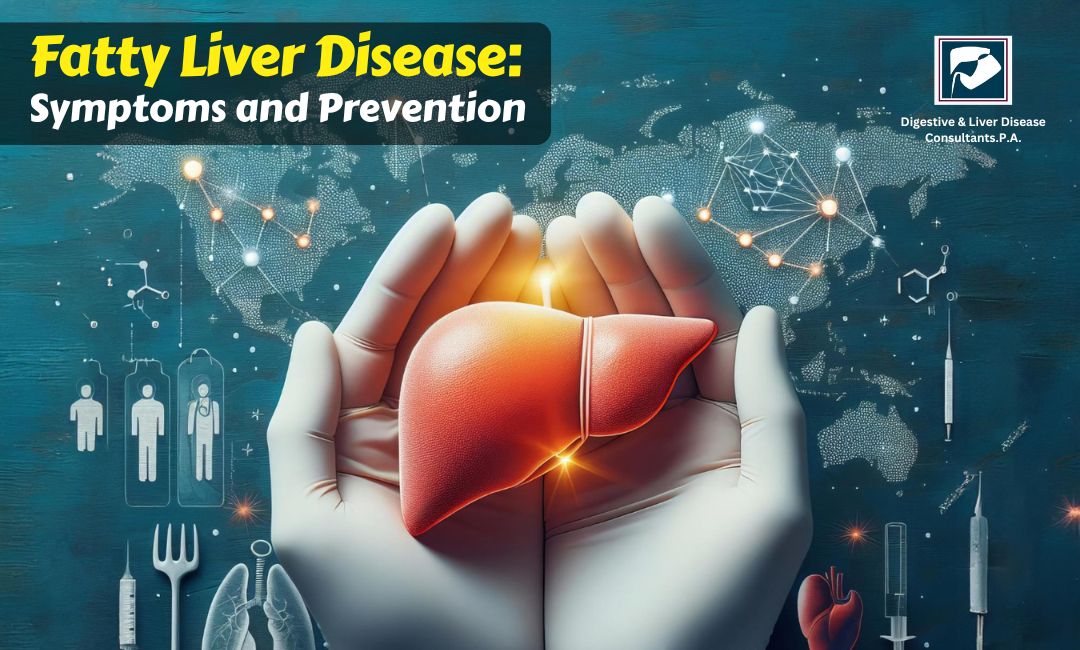
Fatty liver disease is becoming increasingly common, especially with changing lifestyles, poor dietary habits, and rising obesity rates. Many people do not realize they have it because it often develops silently. Left untreated, it can progress to serious liver damage.
Understanding the symptoms early and making the right lifestyle choices can help prevent and even reverse fatty liver disease.
What is Fatty Liver Disease?
Fatty liver disease occurs when excess fat builds up in liver cells. A small amount of fat in the liver is normal, but when fat makes up more than 5 to 10 percent of the liver’s weight, it becomes a concern.
There are two main types:
- Non-Alcoholic Fatty Liver Disease (NAFLD): Occurs in people who drink little or no alcohol
- Alcoholic Fatty Liver Disease: Caused by heavy alcohol consumption
NAFLD is now the most common form and is closely linked to obesity, diabetes, and metabolic syndrome.

Common Symptoms of Fatty Liver Disease
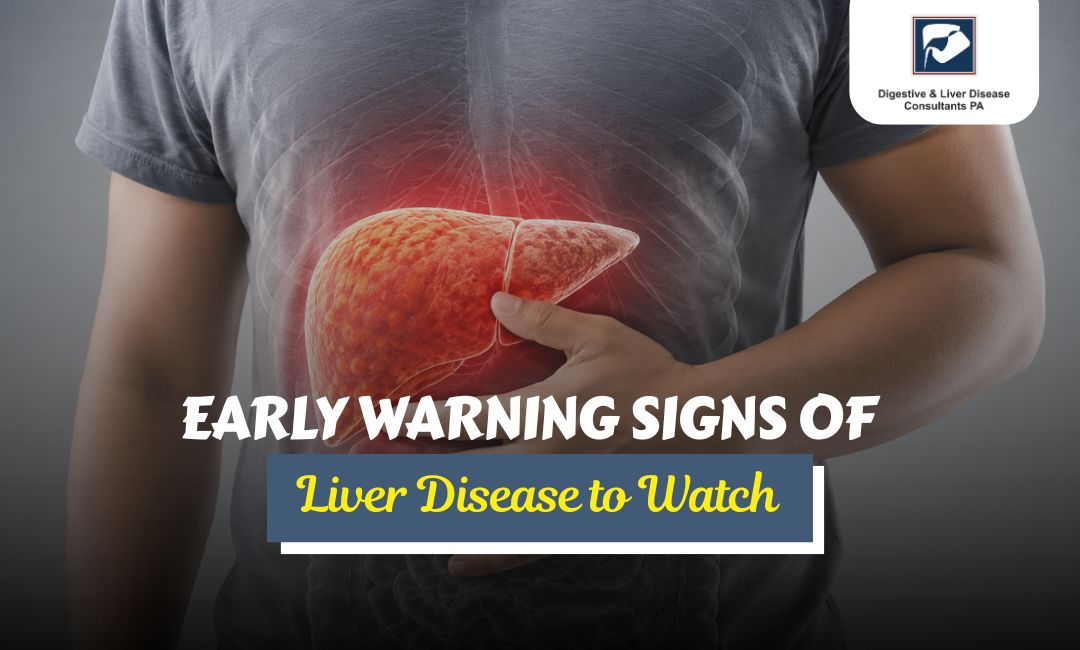
One of the biggest challenges is that fatty liver disease often has no obvious symptoms in the early stages. As the condition progresses, some people may notice:
- Persistent fatigue or weakness
- Mild discomfort or pain in the upper right abdomen
- Unexplained weight loss
- Loss of appetite
- Feeling of fullness even after small meals
In more advanced stages, symptoms may include:
- Jaundice or yellowing of the skin and eyes
- Swelling in the abdomen or legs
- Enlarged liver
- Mental confusion in severe cases
Because symptoms can be subtle, regular health checkups and liver function tests are important, especially if you have risk factors.
Causes and Risk Factors
Fatty liver disease is strongly linked to lifestyle and metabolic health. Key risk factors include:
- Obesity or being overweight
- Type 2 diabetes
- High cholesterol or triglycerides
- Sedentary lifestyle
- Poor diet high in sugar and processed foods
- Excess alcohol consumption
- Rapid weight loss or crash dieting
Genetics and certain medications can also contribute to fat buildup in the liver.
How Fatty Liver Disease Progresses?
Fatty liver disease can move through several stages if not managed:
- Simple fatty liver with fat accumulation but little damage
- Non-alcoholic steatohepatitis (NASH) with inflammation and liver cell injury
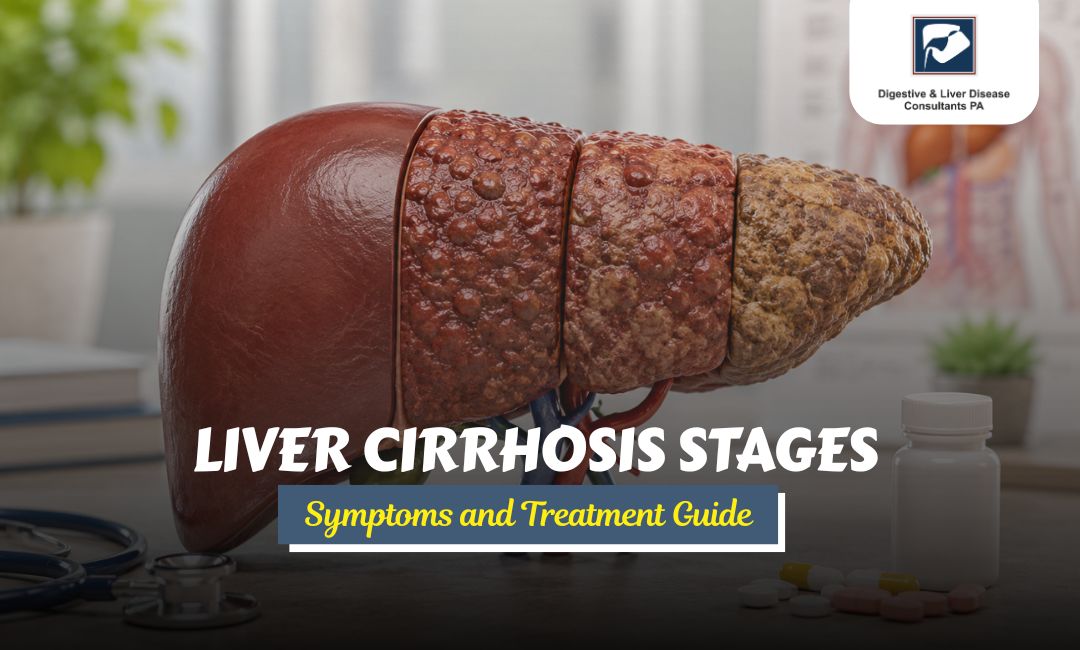
- Fibrosis where scar tissue forms
- Cirrhosis which is severe scarring and can lead to liver failure
Early stages are often reversible with the right lifestyle changes.
Best Ways to Prevent Fatty Liver Disease
Prevention focuses on improving lifestyle habits and supporting liver health through diet and daily routines.
1. Follow a Healthy Digestive Health Diet
A balanced diet is the foundation of liver health. Focus on:
- Fresh fruits and vegetables
- Whole grains such as oats and brown rice
- Lean proteins like fish and legumes
- Healthy fats from nuts, seeds, and olive oil
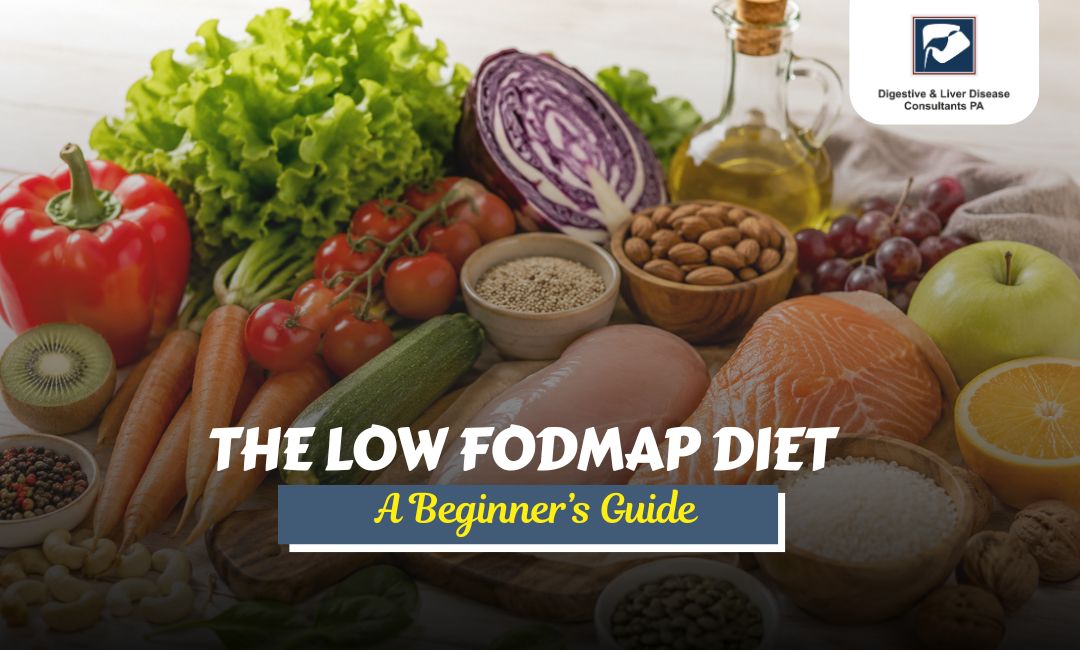
This type of digestive wellness diet helps reduce fat buildup in the liver and improves overall metabolism.
2. Maintain a Healthy Weight
Losing even 5 to 10 percent of body weight can significantly reduce liver fat. Gradual, sustainable weight loss is key. Avoid crash diets as they may worsen liver stress.
3. Limit Sugar and Processed Foods
High sugar intake, especially from soft drinks and packaged foods, contributes to fat accumulation in the liver. Reduce:
- Sugary beverages
- Refined carbohydrates
- Fried and processed foods
Switching to whole, natural foods supports a healthy gut microbiome and liver function.
4. Include Gut-Friendly Foods
The gut and liver are closely connected. Eating gut-friendly foods improves digestion and liver health.
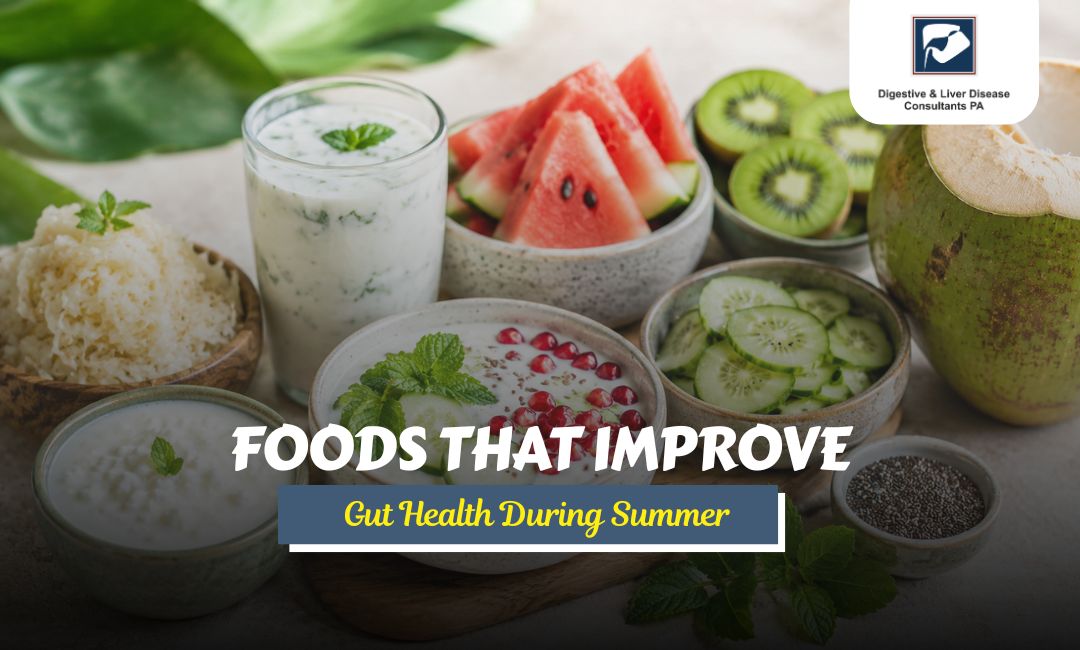
- Probiotics for gut health such as yogurt and fermented foods
- Prebiotics for digestion like garlic, onions, and bananas
- High-fiber foods for digestion to support bowel health
A strong digestive system helps reduce inflammation and supports liver detoxification.
5. Stay Physically Active
Regular exercise helps burn fat, improve insulin sensitivity, and reduce liver fat. Aim for:
- At least 30 minutes of moderate activity most days
- Walking, cycling, or strength training
Even small increases in daily movement can make a big difference.
6. Avoid Excess Alcohol
Alcohol puts extra strain on the liver and accelerates damage. Limiting or completely avoiding alcohol is essential, especially if fatty liver is already present.
7. Manage Underlying Health Conditions
Conditions like diabetes, high blood pressure, and high cholesterol increase the risk of fatty liver disease. Proper management through diet, medication, and lifestyle changes is crucial.
Foods That Support Liver Health
Adding specific foods can help protect and improve liver function:
- Leafy greens like spinach and kale
- Fatty fish rich in omega 3 fatty acids
- Green tea for antioxidant support
- Garlic for detoxification support
- Berries for anti-inflammatory benefits
These foods for stomach health and liver support help reduce inflammation and promote healing.
When to See a Doctor
You should seek medical advice if you:
- Have risk factors like obesity or diabetes
- Experience persistent fatigue or abdominal discomfort
- Have abnormal liver function tests
- Notice signs like jaundice or swelling
Early diagnosis can prevent progression and improve outcomes.
Why Choose Digestive & Liver Disease Consultants, P.A.?
Managing fatty liver disease requires more than just general advice. It needs expert evaluation and personalized care.
Digestive & Liver Disease Consultants, P.A. offers specialized services for diagnosing and treating liver conditions with a patient-focused approach.
- Experienced GI Specialists who understand complex liver diseases
- Advanced Diagnostic Tools for accurate and early detection
- Personalized Treatment Plans tailored to your lifestyle and health needs
- Comprehensive Care including diet guidance, medication, and follow-up
- Focus on Prevention helping patients avoid complications through education and lifestyle support
Their team works closely with patients to create practical, effective strategies for long-term liver and digestive health.
Conclusion
Fatty liver disease is a growing health concern, but it is largely preventable and manageable with the right approach. Paying attention to early symptoms, maintaining a healthy weight, and following a balanced digestive health diet can significantly reduce your risk.
Incorporating gut-friendly foods, staying active, and avoiding harmful habits like excessive alcohol consumption can protect your liver and improve overall well-being.
With expert guidance from Digestive & Liver Disease Consultants, P.A., you can take control of your liver health and prevent serious complications.
If you are at risk or experiencing symptoms, do not wait. Schedule a consultation with Digestive & Liver Disease Consultants, P.A. today and get a personalized plan to protect your liver and improve your digestive wellness.