Digestive health plays a major role in overall wellness. The digestive system is responsible for breaking down food, absorbing nutrients, and removing waste from the body. When digestion slows down or becomes inefficient, it can lead to bloating, constipation, acidity, gas, stomach discomfort, and fatigue. One of the simplest and most effective ways to support digestive health naturally is through regular physical activity.
Exercise does much more than improve fitness or help with weight management. It also supports healthy digestion by stimulating intestinal movement, improving blood circulation, reducing stress, and helping maintain a healthy gut microbiome. Whether it is walking, yoga, stretching, cycling, or strength training, movement can have a positive effect on the digestive system.
Understanding the Connection Between Exercise and Digestion
The digestive system works continuously to process the food we eat. Physical activity helps stimulate the muscles of the gastrointestinal tract, making digestion smoother and more efficient. Exercise also helps food move properly through the stomach and intestines, reducing digestive discomfort and preventing issues such as constipation.
People who lead sedentary lifestyles often experience slower digestion and increased digestive complaints. Lack of movement can reduce gut motility, leading to bloating and irregular bowel movements. Regular exercise helps keep the digestive tract active and functioning properly.
How Exercise Helps Digestion
Improves Bowel Movements
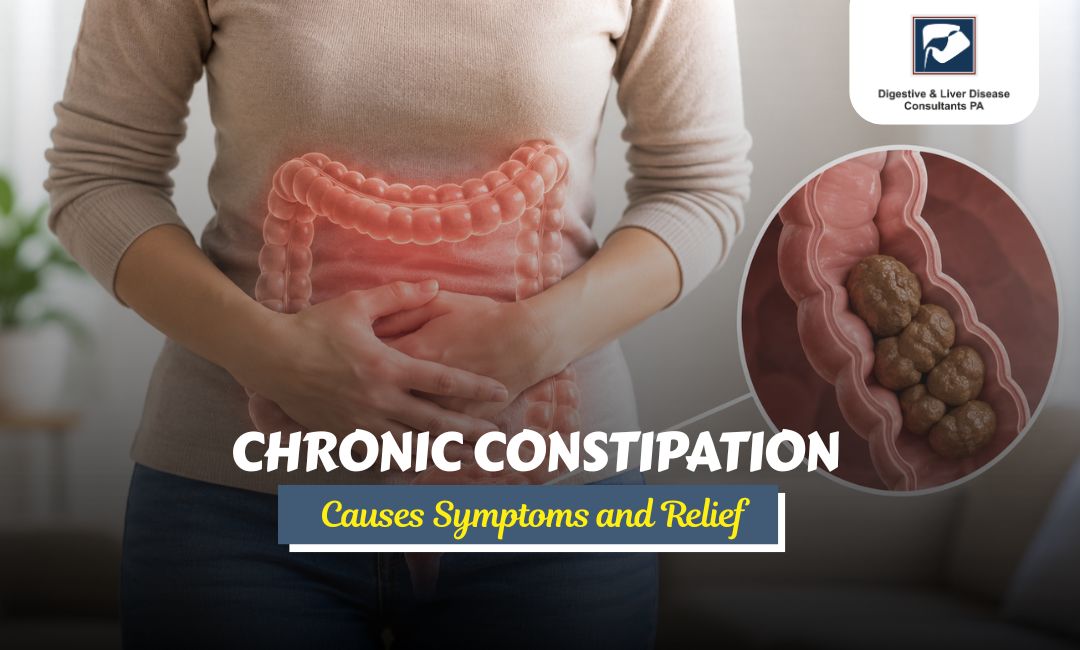
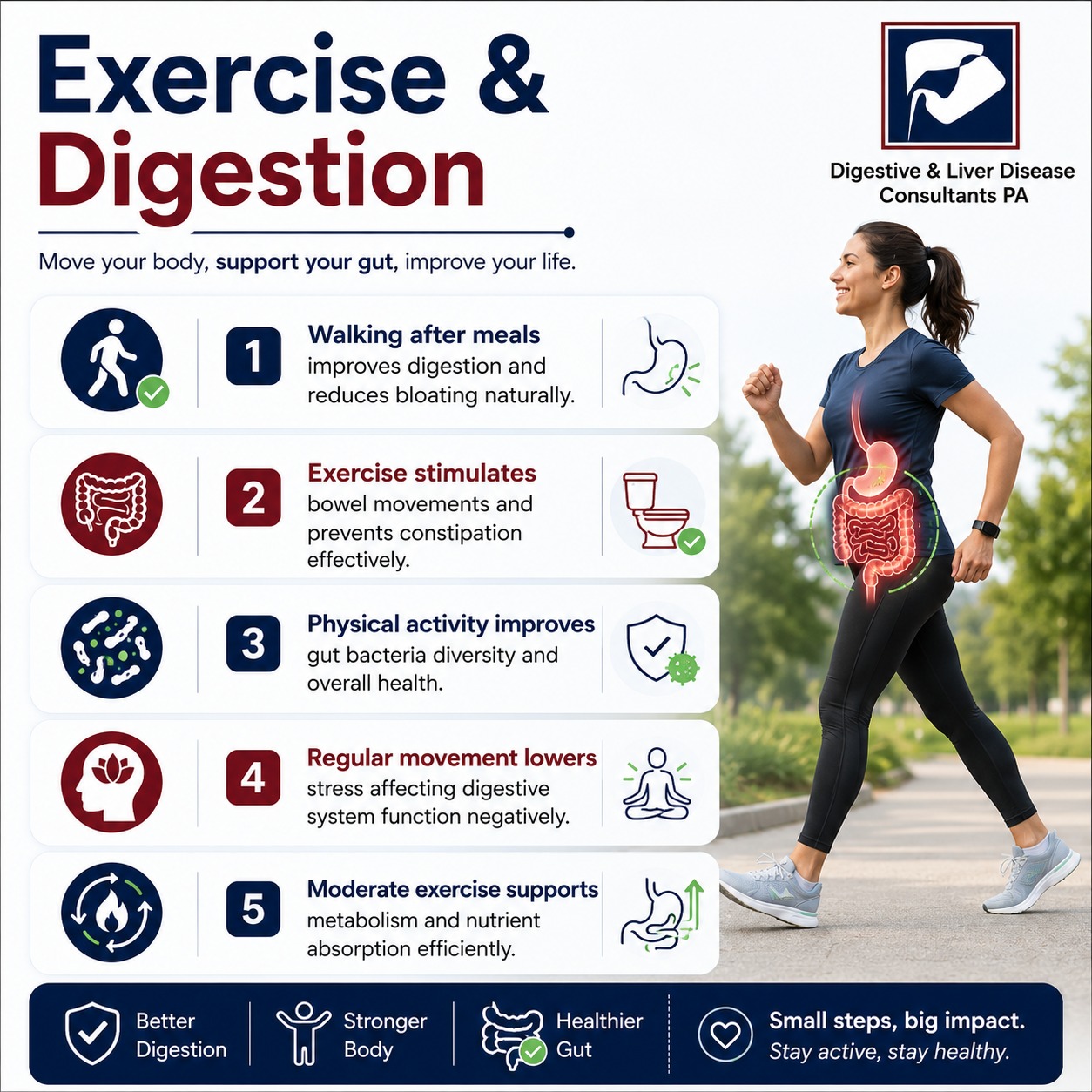
One of the biggest benefits of exercise for digestion is improved bowel regularity. Physical activity stimulates the muscles in the intestines, helping waste move through the digestive tract more efficiently. This reduces the risk of constipation and promotes regular bowel movements.
Walking after meals is especially beneficial because it encourages natural intestinal contractions and supports smoother digestion.
Reduces Bloating and Gas
Bloating and gas are common digestive complaints that can occur after heavy meals, poor eating habits, or slow digestion. Gentle exercises such as walking, yoga, and stretching can help release trapped gas and improve digestion naturally.
Movement helps reduce pressure in the abdomen and improves the movement of food through the digestive system, minimizing discomfort.
Helps Maintain Healthy Weight
Excess body weight can increase the risk of digestive disorders such as acid reflux, fatty liver disease, and gallstones. Regular physical activity supports healthy weight management, which can reduce strain on the digestive system.
Maintaining a healthy weight also lowers abdominal pressure, reducing symptoms of heartburn and gastroesophageal reflux disease.
Enhances Gut Microbiome
The gut contains trillions of beneficial bacteria that help with digestion, immunity, and nutrient absorption. Research shows that regular exercise may improve the diversity of healthy gut bacteria, contributing to better digestive health.
A balanced gut microbiome supports efficient digestion and may reduce inflammation within the digestive tract.
Reduces Stress-Related Digestive Problems
Stress and anxiety can negatively affect digestion and contribute to problems such as irritable bowel syndrome, acidity, stomach cramps, and nausea. Exercise is a natural stress reliever that promotes relaxation and improves mental well being.
Activities like yoga, meditation, and deep breathing exercises can calm the nervous system and support healthy digestion.
Best Exercises for Better Digestion
Different types of exercises can benefit digestive health. The key is consistency and choosing activities that fit your lifestyle and physical condition.
Walking
Walking is one of the easiest and safest exercises for digestive health. A short walk after meals can help stimulate digestion, reduce bloating, and improve bowel movements.
Benefits of walking for digestion include:
• Helps food move through the stomach faster
• Reduces acid reflux symptoms
• Supports healthy metabolism
• Improves circulation to digestive organs
Yoga
Yoga helps improve digestion by combining gentle movement, stretching, and breathing techniques. Certain yoga poses can stimulate the digestive organs and reduce gas and bloating.
Popular yoga poses for digestion include:
• Child’s Pose
• Seated Twist
• Cat Cow Stretch
• Wind Relieving Pose
Yoga also helps reduce stress, which is closely linked to digestive health.
Cycling
Cycling improves blood circulation and stimulates intestinal activity. Moderate cycling can support healthy bowel movements and improve overall digestive function.
Strength Training
Building muscle through strength training supports metabolism and weight management, both of which contribute to digestive health. Strength exercises also improve insulin sensitivity and reduce the risk of obesity-related digestive disorders.
Swimming
Swimming provides a full-body workout while being gentle on the joints. It improves circulation and supports overall body function, including digestion.
Tips for Exercising Without Digestive Discomfort
Although exercise is beneficial for digestion, certain habits can help prevent stomach discomfort during workouts.
Avoid Heavy Meals Before Exercise
Large meals before physical activity can cause cramps, nausea, and acid reflux. It is best to wait at least one to two hours after eating before engaging in moderate or intense exercise.
Stay Hydrated
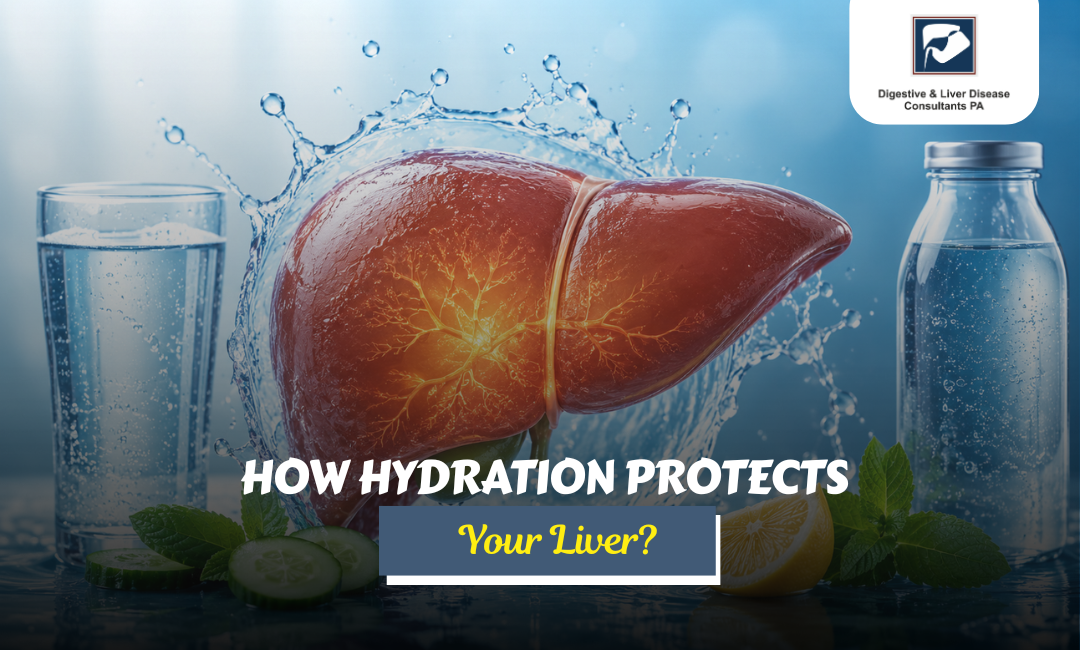
Proper hydration is essential for healthy digestion and regular bowel movements. Drink enough water throughout the day, especially during physical activity.
Start Slowly
If you are new to exercise, begin with light activities such as walking or stretching. Gradually increase intensity based on your comfort level.
Wear Comfortable Clothing
Tight clothing around the abdomen may increase digestive discomfort during exercise. Loose and comfortable workout clothing is recommended.
Listen to Your Body
Certain high intensity workouts may temporarily cause digestive discomfort in some individuals. If you experience pain, nausea, or severe bloating during exercise, consult a healthcare professional.
The Role of Physical Activity in Preventing Digestive Disorders
Regular exercise may help reduce the risk of several digestive conditions, including:
• Constipation
• Acid reflux
• Irritable bowel syndrome
• Fatty liver disease
• Obesity-related digestive problems
• Colon health issues
Exercise also supports better blood sugar control and metabolism, which are important for overall gastrointestinal wellness.
Foods and Lifestyle Habits That Support Digestive Health
Exercise works best when combined with healthy eating and lifestyle choices.
Eat Fiber-Rich Foods
Foods rich in fiber help improve bowel movements and support gut health. Include fruits, vegetables, whole grains, and legumes in your diet.
Eat Smaller Meals
Eating smaller meals throughout the day may help reduce bloating and improve digestion.
Limit Processed Foods
Highly processed and greasy foods can slow digestion and increase acidity and bloating.
Get Enough Sleep
Poor sleep can negatively affect digestion and increase stress levels. Aim for consistent and restful sleep every night.
Avoid Smoking and Excess Alcohol
Smoking and excessive alcohol intake can damage the digestive system and worsen digestive symptoms.
Why Choose Digestive & Liver Disease Consultants, P.A.?
At Digestive & Liver Disease Consultants, P.A., we are committed to providing expert care for a wide range of digestive and liver conditions. Our experienced specialists focus on accurate diagnosis, advanced treatments, and personalized care plans designed to improve patient outcomes.
Reasons patients trust our team include:
• Experienced gastroenterologists and digestive specialists
• Advanced diagnostic and endoscopic procedures
• Personalized treatment plans for digestive disorders
• Comprehensive liver and gastrointestinal care
• Compassionate, patient-centered approach
• Focus on preventive digestive healthcare
Whether you are dealing with chronic digestive symptoms or seeking preventive care, our team is dedicated to helping you achieve better digestive health and overall wellness.
Conclusion
Exercise and digestion are closely connected. Regular physical activity supports healthy bowel movements, reduces bloating, improves gut health, and lowers the risk of digestive disorders. Simple habits such as walking after meals, staying active throughout the day, and managing stress can significantly improve digestive wellness.
Combining exercise with healthy eating habits and regular medical checkups can help maintain a healthy digestive system for years to come. If you experience persistent digestive symptoms such as abdominal pain, bloating, acid reflux, constipation, or changes in bowel habits, professional evaluation is important.
At Digestive & Liver Disease Consultants, P.A., our specialists are here to provide expert digestive care tailored to your needs.