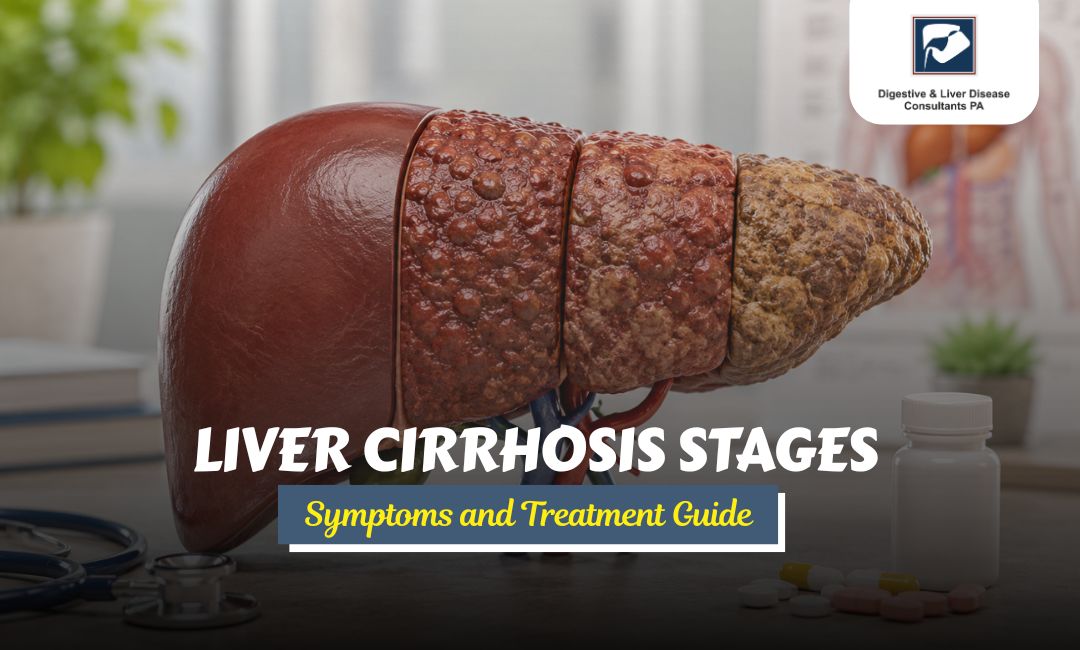
A diagnosis of cirrhosis can feel overwhelming, but understanding the condition is the first step toward effective management. Cirrhosis is not a single event; it is the result of long-term, chronic liver disease care where healthy liver tissue is gradually replaced by scar tissue (fibrosis). As this scarring progresses, the liver struggles to perform its essential functions, such as filtering toxins, aiding digestion, and regulating metabolism.
While the damage from cirrhosis is often permanent, proactive cirrhosis management can slow its progression, prevent life-threatening complications, and significantly improve your quality of life.
Recognizing Cirrhosis Symptoms and Treatment Goals
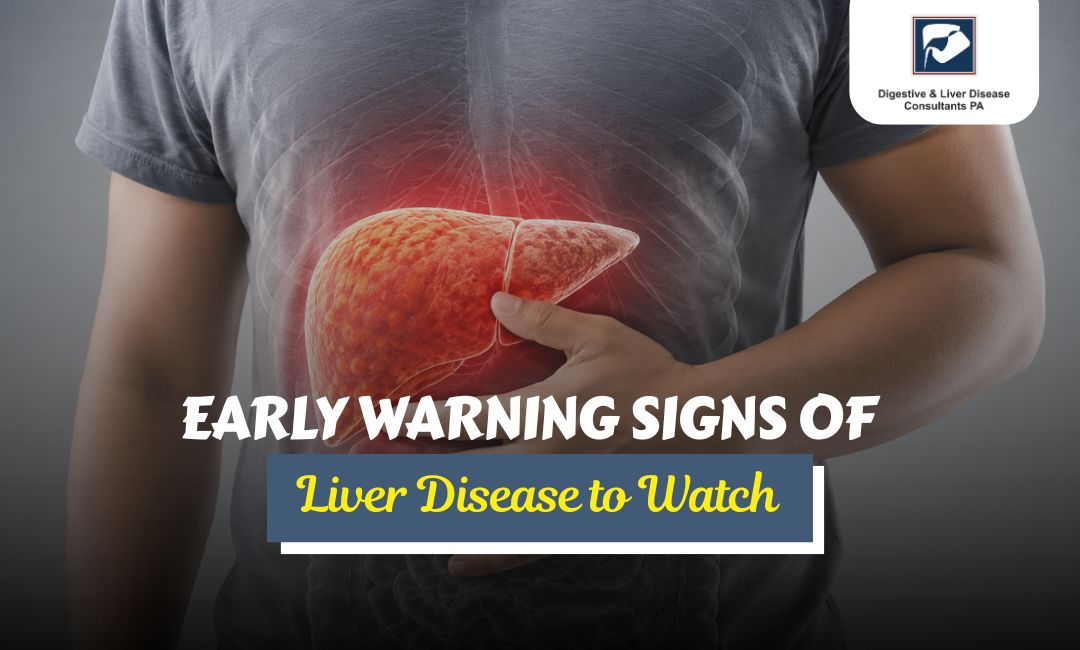
In its early stages, known as compensated cirrhosis, you may not experience any symptoms at all. However, as the liver's function declines, various signs may emerge. Being aware of these cirrhosis symptoms and treatment options is vital for early intervention.
Common symptoms to monitor include:
- Persistent fatigue and weakness
- Easy bruising or bleeding
- Loss of appetite and unintended weight loss
- Yellowing of the skin and eyes (jaundice)
- Swelling in the legs, feet, or ankles (edema)
- Itchy skin
The primary goal of managing liver cirrhosis is to treat the underlying cause, whether it is alcohol use, viral hepatitis, or non-alcoholic fatty liver disease (NAFLD), and to protect the remaining healthy liver tissue.
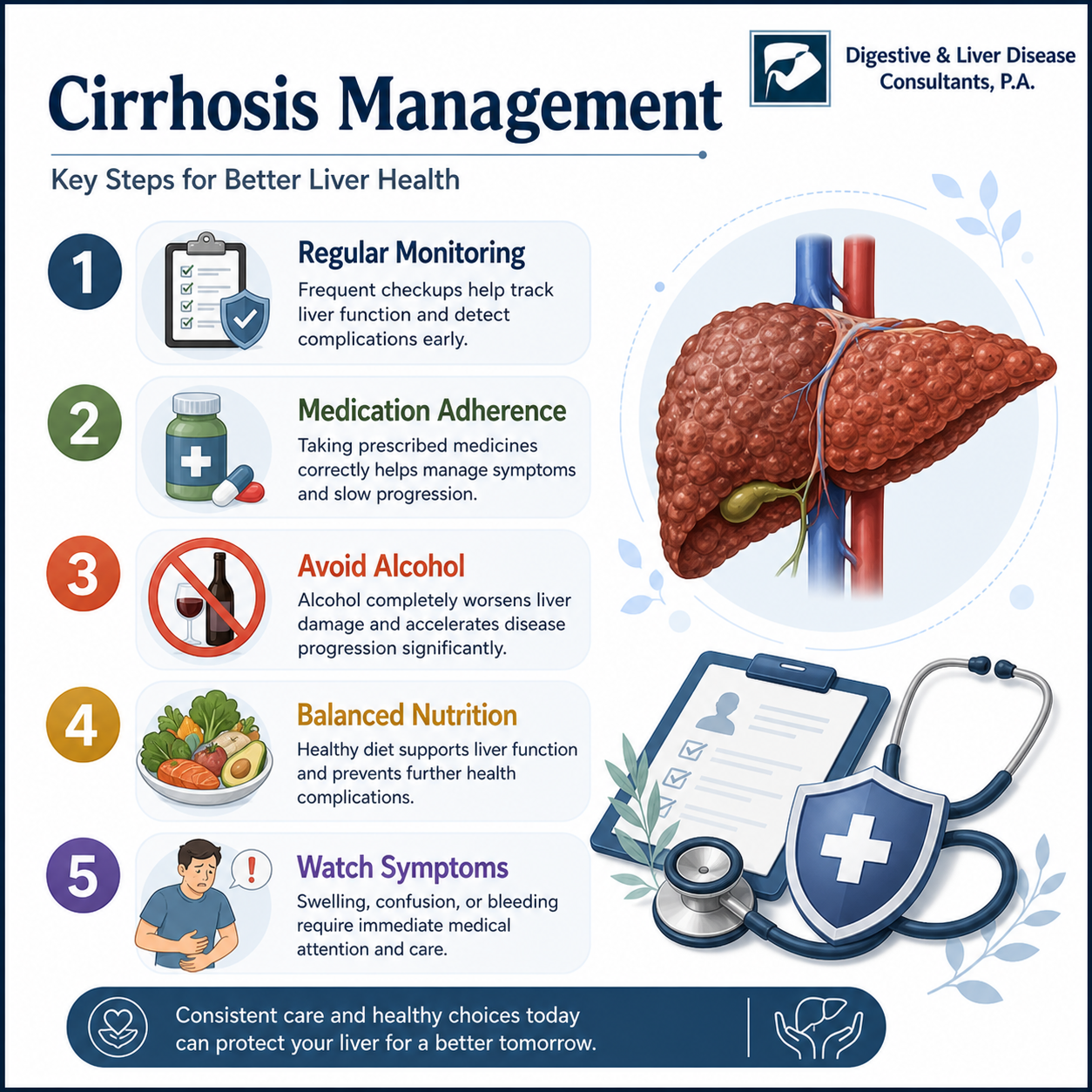
Key Pillars of Cirrhosis Management
Effective liver fibrosis management requires a multi-faceted approach involving medical intervention, lifestyle adjustments, and consistent monitoring.
1. Medical Monitoring and Diagnostic Tests
Regular cirrhosis monitoring tests are the backbone of hepatology care. These tests allow specialists to track the "MELD" score (Model for End-Stage Liver Disease), which assesses the severity of the condition.
- Blood Tests: To check liver enzymes, bilirubin levels, and blood clotting capabilities.
- Imaging: Ultrasound, CT scans, or MRIs to visualize liver structure and detect tumors.
- Endoscopy: To check for enlarged veins (varices) in the esophagus or stomach.
2. Managing Cirrhosis Complications Care
As cirrhosis advances, it can lead to secondary health issues that require specific expertise.
Portal Hypertension Management: Scarring slows blood flow through the liver, increasing pressure in the portal vein. This can lead to varices that may bleed.
Ascites Treatment: This involves managing the buildup of fluid in the abdominal cavity. Ascites treatment in cirrhosis typically involves a combination of low-sodium diets and diuretic medications.
Hepatic Encephalopathy: When the liver cannot filter toxins like ammonia, they can reach the brain, causing confusion or tremors. Medications are often used to help the body eliminate these toxins.
3. Cirrhosis Medication Options
While no pill "cures" cirrhosis, cirrhosis medication options are highly effective at managing symptoms and causes. This may include:
- Antiviral medications for Hepatitis B or C.
- Medications to control blood pressure in the portal vein.
- Vitamin supplements to combat malabsorption.
- Lifestyle Changes and Liver Health Tips
The way you live each day has a profound impact on your liver's workload. Implementing liver disease lifestyle changes is one of the most empowering steps a patient can take.
Essential Dietary Guidelines:
A proper diet for cirrhosis patients focuses on reducing the liver's burden while maintaining energy.
Reduce Sodium: High salt intake leads to fluid retention (ascites). Aim for fresh herbs and spices instead of salt.
Adequate Protein: Patients often need high-quality protein to prevent muscle wasting, though this should be balanced under a doctor's supervision.
Small, Frequent Meals: This helps maintain energy levels throughout the day without taxing the digestive system.
General Liver Health Tips:
Complete Abstinence from Alcohol: Alcohol is a direct toxin to liver cells and accelerates scarring.
Medication Safety: Many over-the-counter drugs, especially acetaminophen, are processed by the liver. Always consult your hepatologist before taking new supplements or medications.
Weight Management: Maintaining a healthy weight helps reduce the risk of fatty liver complications.
Why Choose Digestive & Liver Disease Consultants, P.A.?
Navigating chronic liver disease requires more than just a general practitioner; it requires a dedicated team of specialists. Digestive & Liver Disease Consultants, P.A. stands out as a leader in hepatology care for cirrhosis for several reasons:
Expertise in Advanced Hepatology: Our board-certified gastroenterologists and hepatologists specialize specifically in the complexities of the liver. We stay at the forefront of liver cirrhosis treatment and clinical research.
Comprehensive Diagnostic Suite: We offer on-site, state-of-the-art diagnostic imaging and endoscopic procedures, ensuring your cirrhosis monitoring tests are accurate and timely.
Integrated Care Approach: We don't just treat the liver; we treat the patient. Our team works with you to develop a personalized plan that includes nutritional counseling, medication management, and emotional support.
Focus on Complication Prevention: Our proactive approach to portal hypertension management and ascites treatment aims to keep patients out of the hospital and maintain their independence for as long as possible.
Patient-Centered Communication: We believe that an informed patient is an empowered one. We take the time to explain your condition, your numbers, and your options clearly.
Conclusion
Managing cirrhosis is a marathon, not a sprint. While the diagnosis marks a significant change in your health journey, it is a journey you do not have to take alone. Through a combination of modern cirrhosis medication options, vigilant cirrhosis complications care, and dedicated liver disease lifestyle changes, it is possible to live a fulfilling life while managing this condition.
The key to success lies in early detection and specialized care. By focusing on your diet, attending regular screenings, and working closely with your healthcare team, you can protect your liver and your future.
Take Control of Your Liver Health Today
If you or a loved one are concerned about liver health or have received a cirrhosis diagnosis, expert intervention is just a call away. Early management can make all the difference in preventing further damage.
Contact Digestive & Liver Disease Consultants, P.A. today to schedule your comprehensive hepatology consultation. Let our specialists provide the expert care and personalized strategy you deserve.